Farmers ask the same questions every season: where to buy, who to trust, and whether a deal across the border is really a deal. This page answers 40 of them in plain language, grouped by topic, each with a link to the FarmPages guide, province page or supplier category that goes deeper.
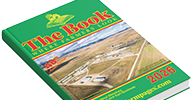
FarmPages is a directory, not a store. Every answer points you to suppliers you contact directly, through the FarmPages agri-business directory that grew out of The Book – Where Farmers Look.
Quick answer: To find farm equipment suppliers, decide what you need and where you farm, then compare at least three dealers or manufacturers on the same spec. Use a directory such as FarmPages to search by category and location, check each supplier’s parts and service support, and contact them directly for written quotes.
Jump to a topic:
- Finding and Vetting Farm Suppliers (6 questions)
- Buying New vs Used, Parts and Financing (6 questions)
- Grain Bins, Dryers and Augers (5 questions)
- Livestock Equipment and Fencing (5 questions)
- Farm Buildings and Shops (5 questions)
- Tractors, Tires and Attachments (5 questions)
- Precision Farming and Farm Tech (4 questions)
- Using FarmPages and Listing Your Business (4 questions)
1 Finding and Vetting Farm Suppliers
Where is the best place to buy farm equipment?
The best place is usually a dealer or manufacturer close enough to support you with parts and service after the sale. Price matters, but a machine that sits waiting on a part costs more than the discount you chased. Compare at least three suppliers on the same spec, and use The 2026 North American Farm Equipment Buyer’s Guide to work through the decision.
How do I find farm equipment dealers near me?
Search by what you need and where you farm, not by brand alone. The FarmPages business directory groups agri-businesses into categories such as grain systems, livestock equipment and parts, and each listing shows the supplier’s location and contact details. Shortlist the ones within a reasonable drive for service calls, then send each the same request.
Is there a list of farm equipment suppliers near Saskatoon, Regina or Edmonton?
Yes. FarmPages has city hub pages that gather agri-businesses listed near major Prairie centres, including Saskatoon, Regina, Swift Current, Yorkton, Edmonton, Calgary, Lethbridge, Red Deer, Grande Prairie, Lloydminster, Winnipeg and Brandon. Start with farm equipment suppliers near Saskatoon and use the same pages for the other cities.
How can I tell if a farm equipment dealer is legitimate?
Check that the dealer has a physical address, a working local phone number and a history you can confirm before any money changes hands. Be wary of prices far below market, pressure to pay by wire transfer, and sellers who will not let you inspect the machine. Our guide on how to verify a tractor dealer’s legitimacy online lists the checks step by step.
What should I ask a farm equipment supplier before I buy?
Ask for the total delivered price, the lead time, the warranty terms, where parts come from and who does warranty repairs locally, and get the answers in writing on the quote. Pin down lead times early, because a machine promised for spring that arrives in July misses the season. Our sourcing guide for supply chain delays covers how to plan around them.
Are farm shows like Agribition and Farm Fair worth it for finding suppliers?
Yes, if you go with a list. Canadian Western Agribition in Regina and Farm Fair International in Edmonton put many livestock equipment builders and dealers under one roof each November, so you can compare chutes, panels and feeders side by side. Plan your stops with the Agribition and Farm Fair 2026 supplier guide and follow up with dealers after the show.
2 Buying New vs Used, Parts and Financing
Is it better to buy new or used farm equipment?
Buy new when uptime, warranty and financing terms matter most; buy used when the machine runs few hours a year or you can do your own repairs. A good used unit from a dealer who still supports the brand often beats a cheap private sale with no service history. The Western producer’s handbook to sourcing farm equipment in Canada compares both routes.
Is it worth buying farm equipment from the U.S.?
It can be, but only after you add the exchange rate, transport, broker fees, any duties and the cost of inspecting the machine before it ships. A deal that looks thousands cheaper south of the border often narrows once those costs are counted, and warranty support may not follow the machine north. Work through the US-to-Canada farm machinery import checklist before you commit.
Where can I find parts for older farm equipment?
Start with a dealer that still carries the brand, then widen the search to salvage yards, rebuilders and aftermarket suppliers that handle discontinued lines. Have the model and serial number ready, plus a photo of the part if you can. FarmPages lists farm equipment parts suppliers across Canada and the U.S., so you can phone several in one sitting.
Should I buy OEM or aftermarket parts for my tractor?
Use OEM parts for engine, hydraulic and electronic components where exact fit and warranty matter, and consider quality aftermarket parts for wear items such as filters, belts, bearings and tillage points. Check whether non-OEM parts affect any warranty still in force. Compare prices from OEM parts dealers against reputable aftermarket suppliers before you decide.
How do I find a farm equipment repair shop near me?
Look for a shop that works on your brand and machine type, runs a service truck if you need field repairs, and can book you in well before the season. Winter is the time to line up major repairs, while shops are less rushed than in seeding or harvest. See farm equipment repair shops in Saskatchewan and Manitoba for a winter-ready list.
How do I finance farm equipment?
Most farms finance equipment through dealer or manufacturer programs, a bank or credit union, or an agricultural lender. The right choice depends on rate, term, down payment and whether the offer is tied to one dealer. Get at least two offers on the same machine and compare total cost, not just the payment. The directory of ag lenders for financing your 2026 fleet is a good starting point.
3 Grain Bins, Dryers and Augers
How do I find a grain bin dealer near me?
Look for a dealer who sells bins and also erects them, handles the concrete and services aeration and monitoring, so one company stands behind the whole site. Ask how far they travel and how far ahead their crews are booked. Browse grain bin and grain storage suppliers on FarmPages and send several the same bushel target and site plan.
How much does a grain bin cost?
Grain bin cost is best compared per bushel of storage, because a larger bin usually costs less per bushel than a small one. The full price also includes the floor or hopper, concrete, aeration fans, erection and delivery, which can add substantially to the bin itself. Typical 2026 ranges and a capacity chart are in our grain bin prices and sizes guide; get quotes for your own site.
What size grain dryer do I need?
Size a grain dryer to your harvest rate, not your total storage. Work out how many bushels per hour your combines deliver on a good day, how many points of moisture you usually remove, and how many hours a day you can run the dryer, then match a dryer’s rated capacity at that moisture removal. The grain dryer buying guide walks through the sizing.
What size grain auger should I buy?
Choose auger length to reach your tallest bin at a safe working angle, and diameter to match the bushels per hour you need to keep trucks and the combine moving. Longer and larger augers need more horsepower, so check what your tractor or electric motor can supply. The grain auger sizing guide explains length, diameter and horsepower together.
What safety equipment do I need for working in grain bins?
Anyone entering a bin needs a full-body harness and lifeline tied to a secure anchor, an observer outside who can call for help, and unloading equipment locked out before entry. Many farms also add bin monitoring so fewer entries are needed at all. The grain bin safety equipment buyer’s guide lists the gear and what to ask suppliers.
4 Livestock Equipment and Fencing
Where can I buy cattle handling equipment?
Cattle handling equipment is sold by short-line manufacturers, many of them farm-based shops on the Prairies, and by farm supply dealers who carry several brands. Buying close to home makes it easier to see a chute, panels or tub before you pay and to get parts later. Compare livestock equipment suppliers on FarmPages, from chutes and panels to feeders and waterers.
Should I buy a manual or hydraulic squeeze chute?
A manual chute suits smaller herds and operators who process a few times a year; a hydraulic chute suits larger herds, frequent processing and anyone who wants less physical strain at the headgate. Hydraulic chutes cost more and need a power source. Weigh the trade-offs in our manual vs hydraulic squeeze chute comparison before you visit dealers.
What equipment should I have ready before calving season?
Have your calving pen, headgate or calf chute, calf puller, colostrum supplies, tags and taggers, a warming box and good lighting checked before the first calf arrives. Test cameras and waterers in cold weather, not on the night you need them. Use the calving season equipment checklist to work through barn, pen and pasture gear.
How much does electric fencing for cattle cost?
The cost of electric fencing for cattle depends mostly on the energizer, the type and number of wires, post spacing and whether the fence is permanent or temporary. Permanent high-tensile fence costs more per mile up front than portable polywire but lasts far longer. Our guide to electric fencing for cattle covers setup, voltage and typical cost per mile.
What should I look for in a livestock trailer?
Look at length and width for your loads, floor type, ventilation, gate layout, axle rating and whether your truck suits a gooseneck or a bumper hitch. Check the rear door, latches and centre gates in person, since you will use them on every load. The livestock trailer buying guide covers sizes, floors and ventilation in detail.
5 Farm Buildings and Shops
How much does a pole barn cost per square foot?
Pole barn cost per square foot varies widely with size, snow and wind load rating, doors, insulation, concrete and site work, so two quotes for the same footprint can be far apart. Larger buildings generally cost less per square foot than small ones. Our pole barn cost guide gives typical 2026 ranges by size; treat them as a guide and get quotes.
Is a Quonset or a pole barn better for machinery storage?
A Quonset is usually quicker to put up and sheds snow well, while a pole barn gives straight walls, easier insulation and more usable space along the sides for shelving and benches. Many farms choose a pole barn for a heated shop and a Quonset for cold storage. Our Quonset hut vs pole barn comparison covers cost, durability and snow load.
When should I order a farm building for spring construction?
Order in late fall or early winter. Builders book spring crews months ahead, steel and truss orders need lead time, and permits can take weeks. Settling size, door openings and snow-load rating over the winter puts you near the front of the line when the ground thaws. Contact farm building suppliers now for quotes on 2027 projects.
How do I find farm building contractors in Alberta or Saskatchewan?
Look for contractors who build your type of structure, carry insurance and can show completed farm buildings you can visit or ask about. Confirm who handles permits, engineering for snow load, and the concrete. Our guide to farm building contractors and suppliers in Alberta and Saskatchewan lists what to compare and where to start.
How big should a loafing shed be?
Size a loafing shed to the number and type of animals using it, with enough room per head that timid animals can still get out of the weather. Face the open side away from prevailing winter winds, which on the Prairies usually come from the northwest. The loafing shed sizing and placement guide covers space per head, depth and placement.
6 Tractors, Tires and Attachments
What size tractor do I need for an acreage?
For most acreages, a compact tractor of roughly 25 to 60 hp handles a loader, mower, snowblower and small tillage tools, while a sub-compact suits lawns and light chores. Size it to your heaviest regular job and the implements you plan to run, not the one big job a year. Compare the two classes in sub-compact vs compact tractor.
Where can I buy farm tires near me?
Farm tires are sold by tire dealers with ag service trucks, equipment dealers and some co-ops, and the best choice is often the one that will come to the field to change a tire. Have the size from the sidewall, the load index and the machine in mind when you call. Our guide to finding farm tires near you has more tips.
Which tractor attachments should I buy first?
Buy the attachments you will use every week before the ones you will use once a year. On most farms and acreages that means a loader with a bucket and pallet forks first, then a rotary cutter or mower, a box blade or grader, and a snow tool. Our tractor attachments guide ranks 25 attachments by real-farm usefulness.
What equipment do I need to clear snow on a farm?
Most farms clear snow with a tractor-mounted snowblower, a loader with a bucket or snow pusher, or a front or rear blade, depending on yard size and how far the snow has to go. Snowblowers throw snow clear of the yard; pushers and blades pile it. Find snow removal and winter equipment suppliers before the first big storm.
Where can I find tractor parts in Manitoba?
Manitoba tractor parts come from brand dealers, independent parts houses, salvage yards and rebuilders across the province. Call with the model and serial number, and ask whether the part is on the shelf or must be ordered, since that decides how long the tractor sits. The list of tractor and farm equipment parts suppliers in Manitoba is a good place to start.
7 Precision Farming and Farm Tech
Can I add GPS autosteer to an older tractor?
Yes, most older tractors can take an aftermarket guidance or autosteer kit, either a motor that turns the steering wheel or a system plumbed into the hydraulics. Check that the kit works with the correction signal you plan to use and with your implement controllers. Our roundup of aftermarket GPS systems for older tractors compares common options.
Is autosteer worth the money?
For most grain farms, autosteer pays off through less overlap on seed, fertilizer and spray, less operator fatigue and the ability to run longer days, and payback comes faster on more acres. On a small farm with few field passes, it can take years. Run your own numbers with the ROI of autosteer before you buy.
How do I find a precision ag dealer near me?
Look for a precision dealer who supports your display and guidance brand, can set up correction signals, and offers in-season help by phone or in the field. Ask how quickly they respond during seeding. In Saskatchewan, start with precision farming and GPS dealers in Saskatchewan; FarmPages has a matching list for Alberta.
Where can I buy an agricultural spray drone?
Agricultural drones are sold through specialized drone dealers and some precision ag retailers, and many of them also offer training. In Canada, flying a drone for farm work requires the right Transport Canada certification or approval, and spraying adds federal and provincial pesticide rules. Read drones in agriculture: where to buy and how to license before you buy.
8 Using FarmPages and Listing Your Business
What is FarmPages?
FarmPages is the online agri-business directory of The Book – Where Farmers Look, a farm buyer’s directory founded in Manitoba in 1978. Its 2026 print edition goes to 154,500 farms across Canada and the U.S., and the website lists suppliers in 81 directory categories. The FarmPages facts page covers its history and coverage.
Does FarmPages sell farm equipment?
No. FarmPages is a directory, not a store: it does not sell, stock or price equipment. Each listing connects you with the supplier, and you deal with that business directly for quotes, delivery and service. How listings are included and how articles like this one are written is explained in our editorial policy and listing standards.
How do I list my agri-business on FarmPages?
Use the List Your Business page to send your details: what you sell or service, the directory categories that fit, your location and your contact information. Once listed, your business appears to farmers browsing those categories alongside other suppliers. Start on the list your agri-business page, and keep the listing updated as your products change.
What does a farm equipment term like drill fill or grain tender mean?
A drill fill is a conveyor or auger set up to load seed and fertilizer into an air seeder cart, and a grain tender is a hopper on a truck or trailer that hauls seed, grain or fertilizer to the field and unloads it with its own conveyor. Both are FarmPages directory categories. The farm equipment and agri-business glossary defines more than 120 terms.